Fast-Track Your UK Business Journey as an Expat takes center stage, beckoning readers into a world of knowledge and expertise. This passage ensures a captivating and original reading experience, setting the stage for a deep dive into the intricacies of starting a business in the UK as an expat.
Exploring key industries, cultural nuances, legal requirements, business registration, funding options, networking strategies, and navigating cultural differences, this guide offers a comprehensive roadmap for expats looking to establish a successful business in the UK.






Understand the UK Market as an Expat
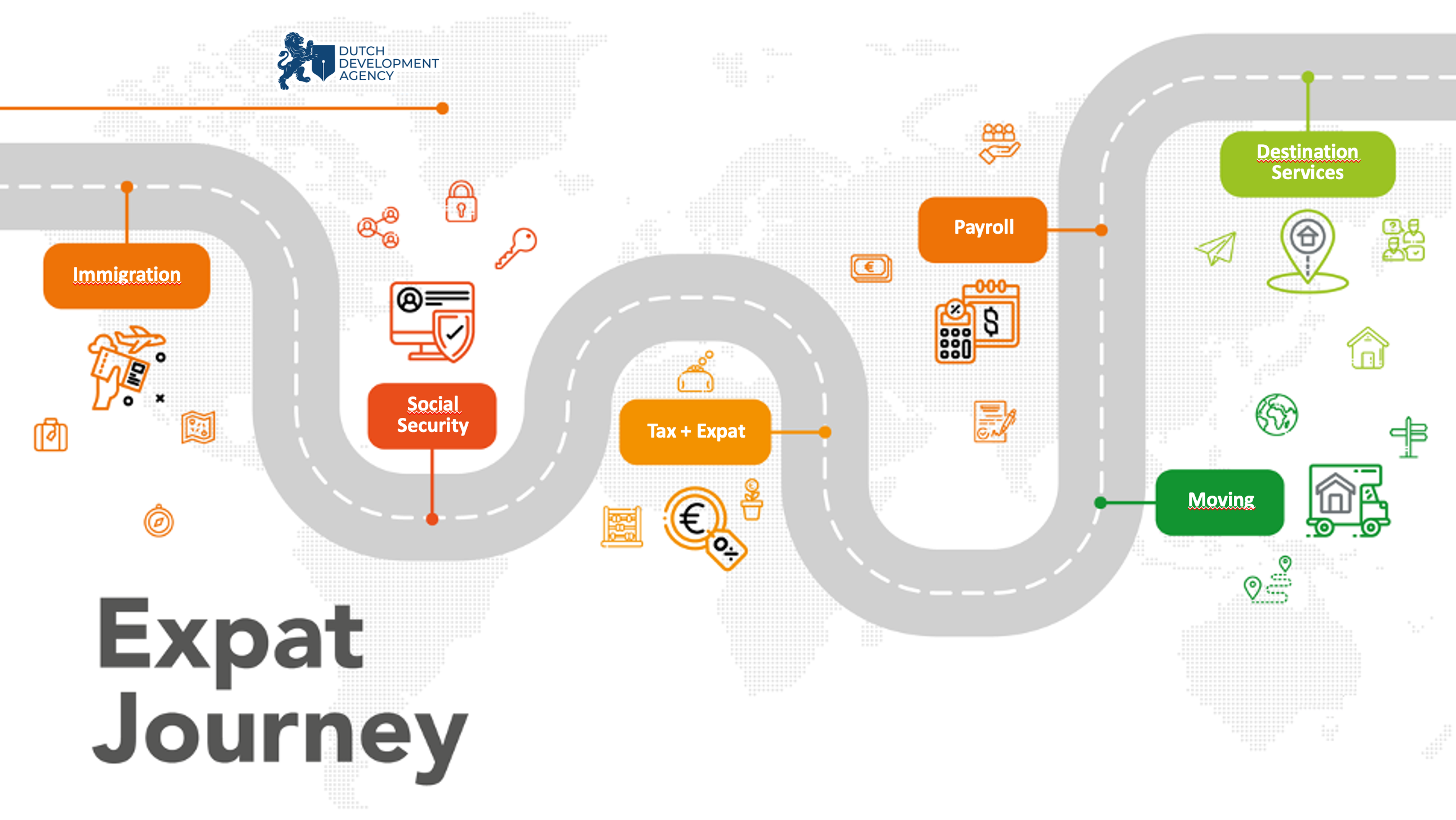
As an expat looking to start a business in the UK, it is crucial to have a good understanding of the market dynamics to ensure success in your venture.
Key Industries in the UK for Expats
- Finance: The UK is a global financial hub, with London being one of the leading financial centers in the world.
- Technology: The UK has a thriving tech scene, especially in cities like London, Manchester, and Cambridge.
- Retail: The UK has a strong retail sector, with opportunities for expats to tap into the consumer market.
Cultural Nuances for Business Interactions
- Politeness: Brits value politeness and formalities in business interactions, so it’s important to maintain a professional demeanor.
- Punctuality: Being on time is crucial in the UK business culture, as it shows respect for others’ time.
- Networking: Building relationships through networking is key in the UK, so attending industry events and conferences can be beneficial.
Legal Requirements for Expats Starting a Business
- Visa: Expats need to ensure they have the appropriate visa to work and start a business in the UK.
- Business Registration: Expats must register their business with the appropriate authorities and comply with tax regulations.
- Employment Laws: Understanding UK employment laws is essential when hiring employees for your business.
Business Registration and Compliance
Starting a business in the UK as an expat involves several key steps to ensure compliance with regulations and legal requirements. Expats have various business structures to choose from, each with its own advantages and considerations. Understanding the compliance requirements such as taxes, licenses, and permits is essential for a successful business journey in the UK.
Business Registration Process
- Choose a business structure: Expat entrepreneurs can opt for a sole trader, partnership, limited liability partnership (LLP), or limited company. Each structure has different implications for liability, taxation, and ownership.
- Register your business: To register your business in the UK, you will need to choose a business name, provide a registered office address, and register with Companies House if setting up a limited company.
- Obtain necessary permits: Depending on the nature of your business, you may need specific permits or licenses to operate legally in the UK. This could include health and safety certificates, food hygiene licenses, or professional qualifications.
Business Structures for Expats
Sole Trader: This structure is the simplest and most popular choice for expats starting a small business. As a sole trader, you are personally responsible for the business’s debts and obligations.
Limited Company: A limited company offers limited liability protection, meaning your personal assets are separate from your business assets. This structure is ideal for medium to large businesses with multiple shareholders.
Compliance Requirements
- Taxes: Expat entrepreneurs must register for taxes such as income tax, VAT (Value Added Tax), and National Insurance contributions. It is important to understand your tax obligations and deadlines to avoid penalties.
- Licenses and Permits: Depending on your business activities, you may need specific licenses or permits to operate legally in the UK. This could include alcohol licenses, environmental permits, or planning permissions.
- Annual Filings: Companies in the UK are required to file annual accounts and an annual confirmation statement with Companies House. Failure to comply with these filing requirements can result in fines or the dissolution of your company.
Accessing Funding and Financial Support: Fast-Track Your UK Business Journey As An Expat

As an expat looking to start a business in the UK, securing funding and financial support is crucial for success. Whether it’s through loans, investments, or grants, there are various options available to help you kickstart your entrepreneurial journey in the UK.
Funding Options for Expat Entrepreneurs
- Bank Loans: Many financial institutions in the UK offer loans specifically tailored for small businesses, including those owned by expats. It’s essential to have a solid business plan and financial projections to increase your chances of approval.
- Venture Capital: Expat entrepreneurs can also explore the option of seeking funding from venture capital firms that specialize in supporting startups. These firms provide funding in exchange for equity in the business.
- Crowdfunding: Crowdfunding platforms can be a great way to raise funds for your business by reaching out to a large number of potential investors online. This method allows you to showcase your business idea and attract funding from individuals interested in your venture.
Financial Institutions Supporting Expat Entrepreneurs
- HSBC: HSBC is known for its international banking services and offers support to expat entrepreneurs looking to establish a business in the UK. They provide a range of financial products and services to help you manage your business finances effectively.
- Santander: Santander also caters to expat entrepreneurs and offers specialized banking solutions to meet the unique needs of international business owners. They provide business accounts, loans, and other financial services to support your venture.
Government Schemes and Grants for Expat Entrepreneurs
- Startup Loans: The UK government provides startup loans to aspiring entrepreneurs, including expats, to help them start and grow their businesses. These loans come with low-interest rates and business support to guide you through the initial stages of your venture.
- Innovate UK Grants: Expats with innovative business ideas can benefit from grants offered by Innovate UK, a government agency that supports research and innovation. These grants can provide funding for research and development projects to help your business thrive in the UK market.
Networking and Building Relationships

Networking and building relationships are crucial for expats looking to establish themselves in the UK business community. It is essential to connect with key players, establish trust, and build credibility as an expat entrepreneur.
Strategies for Networking
- Attend industry events and conferences to meet potential business partners and investors.
- Join business networking groups and online forums to expand your professional network.
- Utilize social media platforms like LinkedIn to connect with industry professionals and showcase your expertise.
Establishing Trust and Credibility
- Deliver on promises and commitments to build a solid reputation in the business community.
- Be transparent and honest in your dealings to earn the trust of potential clients and partners.
- Showcase your expertise through thought leadership content and speaking engagements to establish credibility.
Importance of Mentorship and Networking Events
- Having a mentor can provide valuable guidance and insights into the UK business landscape.
- Networking events offer opportunities to connect with like-minded professionals and learn from experienced individuals in your industry.
- Building relationships through mentorship and networking can open doors to new business opportunities and collaborations.
Navigating Cultural Differences
Cultural differences between an expat’s home country and the UK can greatly impact business decisions and relationships. Understanding and bridging these gaps is crucial for success in the UK market.
Common Cultural Differences, Fast-Track Your UK Business Journey as an Expat
- Communication style: In the UK, communication is often more indirect and relies heavily on subtle cues and nuances. This can be different from more direct communication styles in other countries.
- Work ethic: The UK values punctuality, professionalism, and a strong work ethic. Expats may need to adjust to the pace and expectations of the UK business environment.
- Hierarchy and respect: The UK has a strong tradition of hierarchy and respect for authority. Expats should be mindful of this in their interactions with colleagues and clients.
Impact on Business Decisions
- Cultural differences can lead to misunderstandings or misinterpretations of intentions, which can affect negotiations and decision-making processes.
- Differing attitudes towards risk-taking, innovation, and problem-solving can influence how business opportunities are pursued and managed.
- Perceptions of time, deadlines, and priorities may vary, impacting project timelines and overall business strategies.
Strategies for Success
- Invest time in learning about UK culture, business practices, and etiquette to adapt and integrate more effectively.
- Seek guidance from local mentors or advisors who can provide insights and support in navigating cultural nuances.
- Build strong relationships through networking events, social gatherings, and team-building activities to foster trust and understanding.
- Be open-minded, flexible, and willing to embrace new ways of thinking and working to bridge cultural gaps and enhance collaboration.
Conclusive Thoughts
In conclusion, Fast-Track Your UK Business Journey as an Expat provides a strategic blueprint for expats to navigate the complexities of the UK business landscape with confidence and success. By understanding the market, complying with regulations, accessing funding, building relationships, and bridging cultural gaps, expat entrepreneurs can accelerate their business journey and achieve their goals in the UK market.
FAQs
What are the key industries in the UK for expats to consider?
Some key industries in the UK for expats to consider include finance, technology, healthcare, and creative industries.
What are the options for expats to secure funding for their UK business?
Expats can explore options such as bank loans, venture capital, angel investors, crowdfunding, and government grants.
How can expats establish trust and credibility in the UK business community?
Expats can build trust by delivering on promises, being transparent in their dealings, and actively participating in networking events and industry associations.
What are some common cultural differences between an expat’s home country and the UK?
Common cultural differences include communication styles, business etiquette, and attitudes towards hierarchy and authority.
How can expats bridge cultural gaps and build successful business relationships in the UK?
Expats can bridge cultural gaps by learning about British culture, adapting their communication style, and seeking mentorship from local business leaders.