How to Build a Stable Business in the UK as an Expat unfolds a roadmap to success, delving into the intricacies of establishing and growing a business in a foreign land. From legal requirements to cultural nuances, this guide offers invaluable insights for expats looking to thrive in the UK business landscape.
Embark on a journey that demystifies the process of setting up a business, navigating financial considerations, crafting effective marketing strategies, and understanding the unique business culture of the UK.






Setting Up Your Business in the UK
Starting a business in the UK as an expat can be a rewarding venture, but it requires careful planning and adherence to legal requirements. Here are the steps and considerations you need to keep in mind when setting up your business in the UK.
Registering Your Business
When setting up a business in the UK, the first step is to register your company with Companies House. This involves choosing a business name, selecting a business structure, and providing details about your business activities. You will also need to appoint at least one director and shareholder for your company.
Legal Requirements and Procedures
To operate legally in the UK, you must adhere to various legal requirements and procedures. This includes registering for taxes, obtaining necessary permits and licenses, and complying with employment laws. It is crucial to seek legal advice to ensure that you are meeting all the legal obligations.
Business Structures Available
As an expat in the UK, you have several options when it comes to choosing a business structure. The most common structures include sole trader, partnership, limited liability partnership (LLP), and limited company. Each structure has its own advantages and disadvantages in terms of liability, tax obligations, and administrative requirements.
Choosing the Right Structure
When deciding on the business structure for your company, it is important to consider factors such as the nature of your business, the level of liability you are willing to take on, and the tax implications. Consulting with a legal or financial advisor can help you determine the most suitable structure for your business goals.
Understanding UK Business Culture

In the United Kingdom, business culture is characterized by a strong emphasis on professionalism, punctuality, and respect for hierarchy. Compared to some other countries, such as the United States, the UK is known for its formal approach to business interactions and emphasis on etiquette and decorum.Building relationships with UK clients and partners is crucial for success in the UK business landscape.
Networking plays a significant role in establishing trust and credibility, as well as creating opportunities for collaboration and growth. Developing strong personal relationships based on mutual respect and understanding is key to navigating the UK business environment effectively.Cultural nuances can have a significant impact on business operations and decision-making in the UK.
Understanding the unwritten rules of conduct, such as the importance of politeness, diplomacy, and indirect communication, can help expats avoid misunderstandings and build positive relationships with local stakeholders.
Importance of Professionalism and Etiquette
- Professionalism is highly valued in the UK business culture, with an emphasis on maintaining a professional demeanor in all interactions.
- Etiquette, such as addressing individuals by their titles and using formal language, is important when dealing with UK clients and partners.
- Respecting hierarchy and following established protocols can help expats navigate the hierarchical structure of UK organizations.
Networking and Relationship Building
- Networking events, such as business conferences and industry gatherings, provide opportunities to connect with potential clients and partners.
- Maintaining regular communication and follow-ups with contacts is essential for building lasting relationships in the UK business community.
- Taking the time to understand the cultural background and values of UK clients and partners can help expats establish trust and rapport.
Impact of Cultural Nuances on Decision-making
- Understanding the British preference for indirect communication and subtle cues can help expats interpret feedback and make informed decisions.
- Awareness of cultural norms around decision-making processes, such as consensus-building and consultation, can influence how expats approach negotiations and strategic planning.
- Respecting traditions and customs, such as observing business hours and holidays, demonstrates a commitment to integrating into the local business culture.
Financial Considerations for Expats
When it comes to running a business in the UK as an expat, there are several financial considerations that need to be taken into account to ensure the stability and success of your venture.
Tax Obligations and Implications
- Expats running a business in the UK are required to adhere to the country’s tax laws, including paying income tax on profits generated within the UK.
- It is crucial to understand the tax obligations specific to your business structure, whether it is a sole trader, partnership, or limited company.
- Seeking professional advice from a tax advisor or accountant can help navigate the complexities of UK tax laws and ensure compliance.
Banking and Financial Services
- Expats have access to a variety of banking and financial services in the UK to manage their business finances effectively.
- Opening a business bank account is essential for separating personal and business finances, as well as facilitating transactions and payments.
- Many UK banks offer specialized services for expat business owners, such as multi-currency accounts and international payment options.
Currency Exchange and International Payments
- As an expat business owner in the UK, navigating currency exchange is crucial for managing international transactions and dealing with fluctuating exchange rates.
- Utilizing online payment platforms or services that offer competitive exchange rates can help minimize costs associated with currency conversion.
- Consider hedging strategies or forward contracts to mitigate the risks of exchange rate fluctuations when making international payments.
Marketing and Branding Strategies
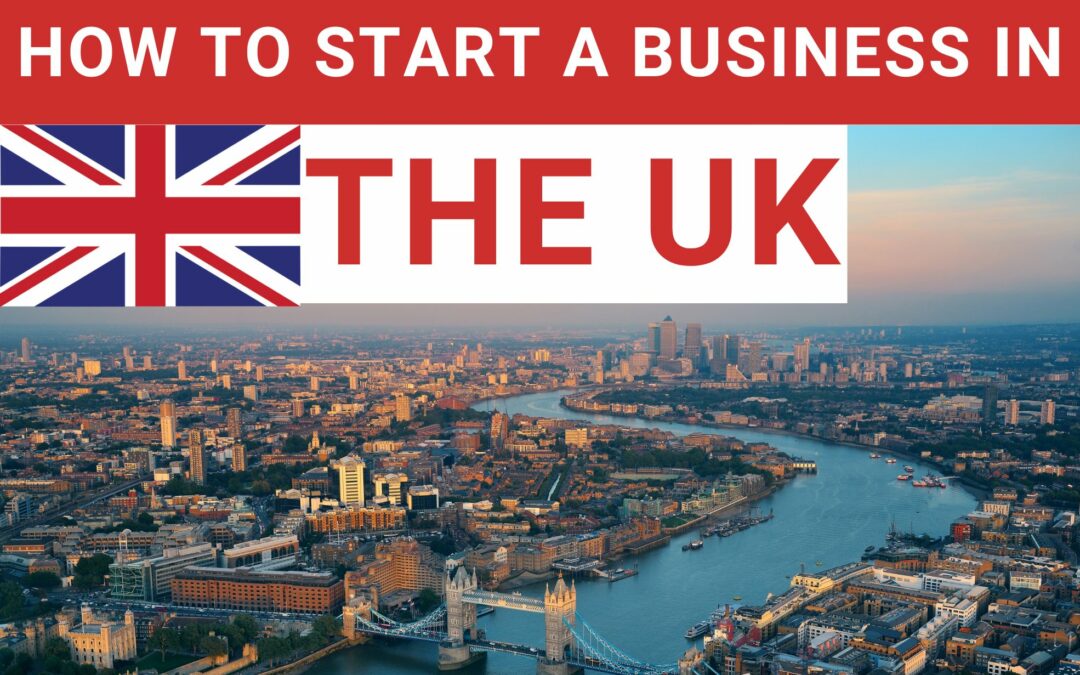
In the competitive business landscape of the UK, effective marketing and branding strategies are crucial for expat businesses looking to establish a strong presence and attract local consumers. By understanding the unique preferences and behaviors of UK customers, expats can tailor their marketing approaches to resonate with the target audience and differentiate themselves in the market.
Targeted Marketing Campaigns, How to Build a Stable Business in the UK as an Expat
- Identify your target audience: Conduct market research to understand the demographics, interests, and buying habits of UK consumers.
- Personalize your messaging: Tailor your marketing campaigns to resonate with the cultural nuances and values of the UK audience.
- Utilize local influencers: Collaborate with influencers or brand ambassadors who have a strong following in the UK to enhance brand visibility and credibility.
- Optimize : Implement search engine optimization strategies to increase visibility and drive organic traffic to your website or online platforms.
Branding and Positioning
- Create a compelling brand story: Develop a narrative that resonates with UK consumers and showcases the unique value proposition of your business.
- Consistent brand identity: Maintain a cohesive brand image across all marketing channels to build brand recognition and loyalty among customers.
- Focus on quality: Emphasize the quality of your products or services to establish trust and credibility with UK consumers.
- Engage with the community: Participate in local events, sponsorships, or partnerships to demonstrate your commitment to the UK market and connect with customers on a personal level.
Social Media and Digital Platforms
- Utilize social media channels: Leverage platforms like Facebook, Instagram, and Twitter to engage with UK consumers, share relevant content, and promote your products or services.
- Invest in paid advertising: Consider running targeted ads on social media or search engines to reach a wider audience and drive conversions.
- Create engaging content: Develop visually appealing and informative content that resonates with UK consumers and encourages interaction and sharing.
- Monitor and analyze performance: Use analytics tools to track the effectiveness of your marketing efforts, identify areas for improvement, and optimize your campaigns for better results.
Final Thoughts: How To Build A Stable Business In The UK As An Expat

In conclusion, How to Build a Stable Business in the UK as an Expat equips you with the knowledge and tools needed to overcome challenges and seize opportunities in the dynamic UK market. With a blend of practical advice and strategic insights, this guide empowers expats to build a thriving business that stands the test of time.
Key Questions Answered
What are the key steps to register a business as an expat in the UK?
To register a business in the UK as an expat, you need to follow specific steps Artikeld by the Companies House, including choosing a business structure, registering your company name, and providing necessary documentation.
How can cultural nuances impact business operations in the UK?
Cultural nuances can influence communication styles, decision-making processes, and business etiquette in the UK. Understanding these nuances is crucial for building successful relationships with clients and partners.
What tax obligations do expats running a business in the UK need to consider?
Expats running a business in the UK must comply with UK tax laws, including corporate tax, VAT, and personal income tax. It’s essential to seek professional advice to ensure compliance with tax regulations.