Starting Fresh: Opening a Business in the UK as a Newcomer sets the stage for a thrilling journey into the world of entrepreneurship, offering insights and guidance for those embarking on this exciting path.
Exploring the intricacies of starting a business in a new country can be both daunting and exhilarating, but with the right knowledge and preparation, success is within reach.






Researching the UK Market
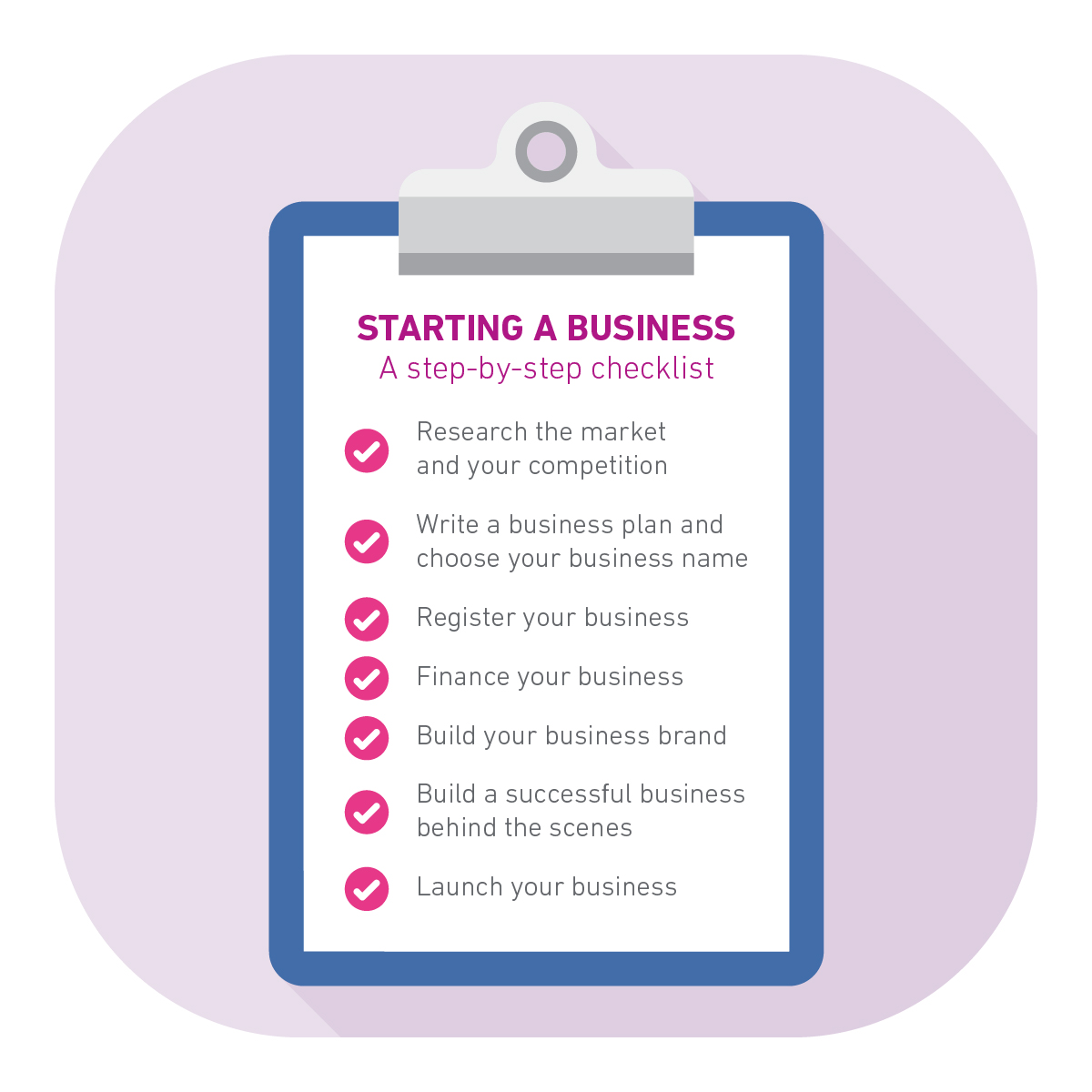
When starting a business in the UK as a newcomer, it’s crucial to conduct thorough research on the market to ensure a successful venture. Here are some key aspects to consider:
Key Industries in the UK
- Technology and Innovation: The UK is known for its thriving tech industry, with hubs like London’s Silicon Roundabout attracting startups and investors.
- Finance and Banking: London is a global financial center, making it a prime location for businesses in the finance sector.
- Retail and E-commerce: The UK has a strong retail market, both online and brick-and-mortar, offering opportunities for newcomers to tap into consumer spending.
Current Business Trends in the UK
- Green and Sustainable Practices: With a growing emphasis on environmental responsibility, businesses that prioritize sustainability are gaining traction in the UK market.
- Digital Transformation: The shift towards digitalization has accelerated in recent years, presenting opportunities for businesses to innovate and adapt to changing consumer preferences.
- Remote Work and Flexible Employment: The pandemic has reshaped the way businesses operate, leading to a rise in remote work and flexible employment models.
Competitive Landscape for Newcomers
- Competition from Established Players: Newcomers in the UK market may face challenges competing with well-established businesses that have a strong foothold in their respective industries.
- Regulatory Compliance: Adhering to UK regulations and compliance standards is essential for newcomers to gain trust and credibility within the market.
- Networking and Partnerships: Building relationships with other businesses and industry stakeholders can help newcomers navigate the competitive landscape and establish a presence in the market.
Legal Requirements and Business Registration

Starting a business in the UK as a newcomer can be a bit overwhelming, especially when it comes to navigating the legal requirements and business registration process. Here’s a breakdown of what you need to know:
Steps to Register a Business in the UK
- Choose a business name: Make sure it’s unique and not already in use.
- Decide on a business structure: You can choose to operate as a sole trader, partnership, or limited company.
- Register your business: You’ll need to register with Companies House if you’re forming a limited company, or with HM Revenue and Customs (HMRC) for other business structures.
- Obtain necessary licenses and permits: Depending on the nature of your business, you may need specific licenses or permits to operate legally.
Comparison of Different Business Structures
| Business Structure | Advantages | Disadvantages |
|---|---|---|
| Sole Trader | Simple to set up and run, full control over the business | Unlimited personal liability, harder to raise capital |
| Partnership | Shared responsibility and decision-making | Each partner is jointly and severally liable for debts |
| Limited Company | Limited liability, easier to raise capital | More complex administration, higher setup costs |
Legal Obligations and Responsibilities of a Business Owner in the UK
- Comply with tax obligations: This includes paying taxes, keeping accurate records, and submitting tax returns on time.
- Adhere to employment laws: Ensure you follow regulations related to hiring employees, health and safety, and fair treatment in the workplace.
- Protect customer data: Implement measures to protect customer information in accordance with data protection laws.
- Meet accounting requirements: Keep detailed financial records and prepare annual accounts in compliance with accounting standards.
Understanding Taxation in the UK
When starting a business in the UK, it’s crucial to have a good grasp of the tax system to avoid any surprises down the road. Here’s a breakdown of what you need to know about taxes for small businesses in the UK.
Overview of the Tax System for Small Businesses, Starting Fresh: Opening a Business in the UK as a Newcomer
- Small businesses in the UK are typically subject to Corporation Tax, which is currently set at 19%.
- Business owners are also required to pay National Insurance contributions for themselves and their employees.
- Income Tax is another key component, with business profits being taxed at the applicable rate based on the income brackets.
- It’s important to keep accurate financial records and file tax returns on time to avoid penalties.
VAT Registration and Implications
- Businesses with a turnover above £85,000 must register for Value Added Tax (VAT) in the UK.
- Once registered for VAT, businesses must charge VAT on their goods and services and submit quarterly VAT returns to HM Revenue & Customs (HMRC).
- VAT-registered businesses can also reclaim VAT on their expenses, which can help with cash flow management.
Managing Taxes Effectively
- Seek professional advice from accountants or tax advisors to ensure compliance with the UK tax regulations.
- Set aside funds regularly to cover tax liabilities and avoid cash flow issues when tax payments are due.
- Utilize accounting software to track income, expenses, and VAT obligations to stay on top of your financial obligations.
- Stay informed about any changes to the tax laws and regulations that may impact your business.
Building a Strong Business Plan
Starting a business in the UK as a newcomer can be challenging, but having a solid business plan is crucial for success. A business plan not only helps you clarify your business idea but also serves as a roadmap for your venture.
Here are the essential components of a business plan for a newcomer in the UK:
Essential Components of a Business Plan
- Executive Summary: Brief overview of your business, goals, and how you plan to achieve them.
- Business Description: Detailed information about your business, including your products/services, target market, and unique selling proposition.
- Market Analysis: Research on the industry, market trends, target audience, and competitors.
- Marketing and Sales Strategy: How you plan to promote your business and attract customers.
- Organization and Management: Structure of your business, key team members, and their roles.
- Financial Projections: Revenue forecasts, profit and loss statement, cash flow projections, and break-even analysis.
- Funding Requirements: If you need funding, specify how much you need and how you plan to use it.
- Appendix: Additional documents such as resumes, permits, licenses, and other relevant information.
Conducting thorough market research and competitor analysis is vital for creating a robust business plan. Here are some tips to help you gather the necessary information:
Tips for Market Research and Competitor Analysis
- Identify your target market and understand their needs, preferences, and buying behavior.
- Study your competitors to know their strengths, weaknesses, pricing strategies, and market positioning.
- Use online tools, surveys, interviews, and focus groups to gather data and insights.
- Analyze industry reports, market trends, and consumer feedback to stay informed and make informed decisions.
- Regularly update your research to adapt to changes in the market and stay ahead of the competition.
Designing a financial forecast and budgeting strategy is essential to ensure the financial health of your new business. Here’s how you can create a realistic financial plan:
Financial Forecast and Budgeting Strategy
- Estimate your startup costs, operating expenses, and projected revenue for the first few years.
- Create a detailed budget that includes all expenses, from rent and utilities to marketing and inventory.
- Monitor your cash flow regularly to ensure you have enough funds to cover your expenses and invest in growth.
- Consider different revenue streams, pricing models, and cost-saving measures to maximize profitability.
- Seek professional advice from accountants or financial advisors to help you create a realistic financial plan.
Securing Funding and Financial Support
When starting a business in the UK as a newcomer, securing funding and financial support is crucial to turn your business idea into a reality. There are various sources of funding available, including government grants, loans, and attracting investors. Understanding the eligibility criteria and strategies for securing financial support is essential for the success of your business venture.
Sources of Funding
- Government Grants: These are funds provided by the government to support specific types of businesses or industries. Eligibility criteria often include the type of business, location, and intended use of the funds.
- Loans: Banks, financial institutions, and alternative lenders offer loans to new businesses. The eligibility criteria typically involve the creditworthiness of the business owner, business plan, and collateral.
- Investors: Angel investors, venture capitalists, and crowdfunding platforms are potential sources of investment. Attracting investors requires a solid business plan, a compelling pitch, and a clear vision for the business.
Eligibility Criteria for Government Grants and Loans
- Business Type: Some grants and loans are specific to certain industries or sectors.
- Location: Certain funding opportunities may be available only to businesses operating in specific regions.
- Business Plan: A well-developed business plan outlining the viability and potential growth of the business is crucial for securing funding.
Strategies for Attracting Investors
- Networking: Building relationships with potential investors through networking events, pitch competitions, and industry conferences can help attract investment.
- Pitch Deck: Creating a compelling pitch deck that highlights the unique value proposition, market opportunity, and financial projections of the business is essential for attracting investors.
- Mentorship: Seeking mentorship from experienced entrepreneurs or industry experts can provide valuable insights and connections to potential investors.
Ending Remarks
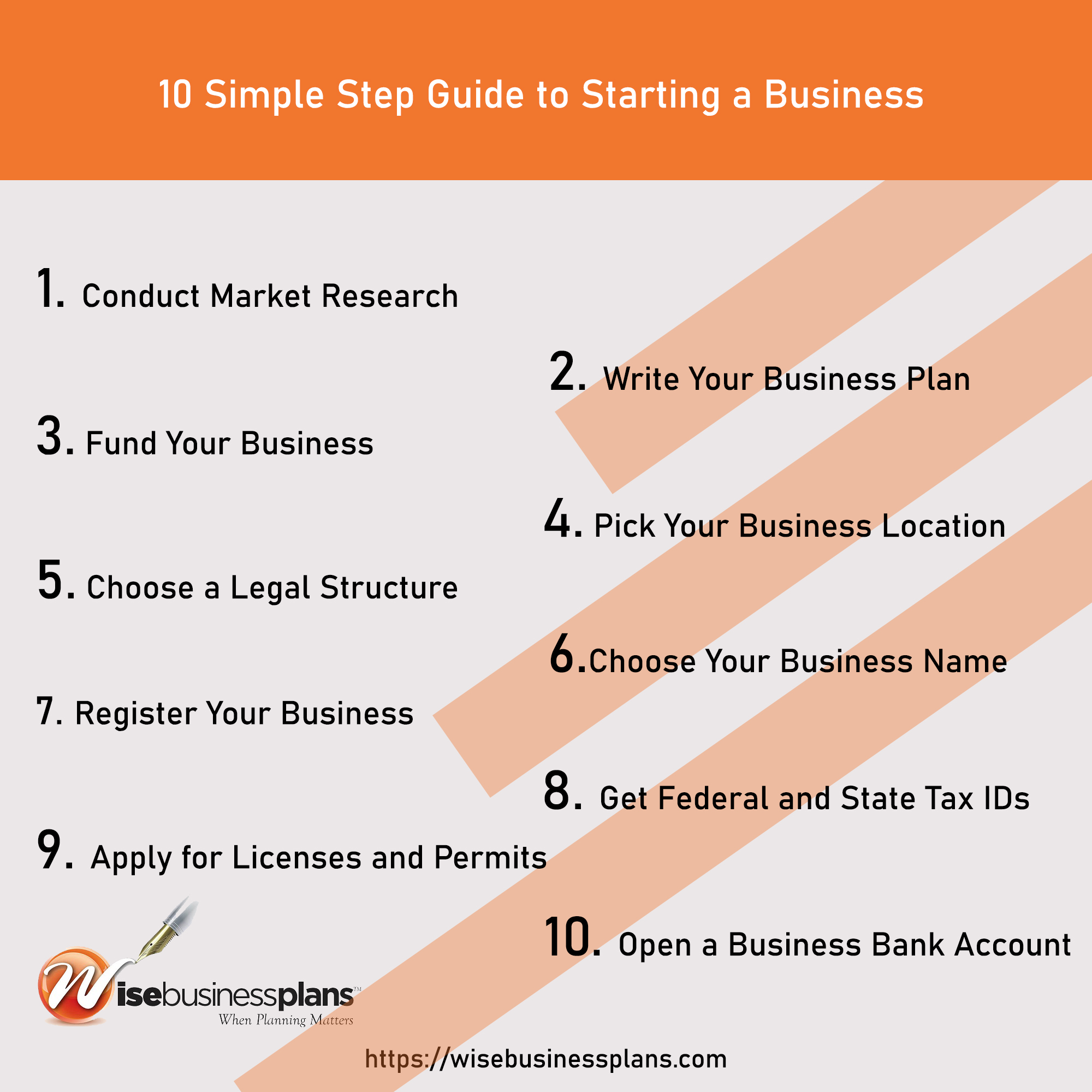
In conclusion, Starting Fresh: Opening a Business in the UK as a Newcomer equips aspiring entrepreneurs with the tools and information needed to navigate the complexities of launching a business in a foreign land, paving the way for a prosperous and fulfilling entrepreneurial venture.
Essential FAQs: Starting Fresh: Opening A Business In The UK As A Newcomer
What are the key industries in the UK for new businesses?
Key industries in the UK for new businesses include technology, finance, healthcare, and creative industries.
What are the legal obligations of a business owner in the UK?
Legal obligations of a business owner in the UK include registering for taxes, following employment laws, and complying with health and safety regulations.
How can a newcomer in the UK secure funding for their business?
Newcomers in the UK can secure funding for their business through sources like government grants, loans, angel investors, or crowdfunding.